Clean power
Just transition

No Time to Waste: Successful decommissioning of onshore renewables

Date
October 27, 2026

The UK’s clean energy transition is entering a new phase. As the first generation of onshore renewable energy projects approaches the end of its operational life, attention must turn not only to what comes next, but to what happens to the infrastructure already in place.

New analysis from Regen suggests that around 1,350 onshore wind turbines, representing 1.4 GW of capacity, could reach the end of their operational lives by 2035, rising to nearly 4,000 turbines by 2040. Solar PV and battery storage will follow, creating a growing challenge for an industry that has, until now, been largely focused on building new infrastructure.

Our new paper, No time to waste: Ensuring successful decommissioning of onshore renewables, explores how the UK can prepare for this next phase of the energy transition.

Produced in association with Nadara, Osborne Clarke and EMR, it highlights the significant opportunity to recover valuable materials, develop domestic recycling and refurbishment industries and create jobs and economic value.
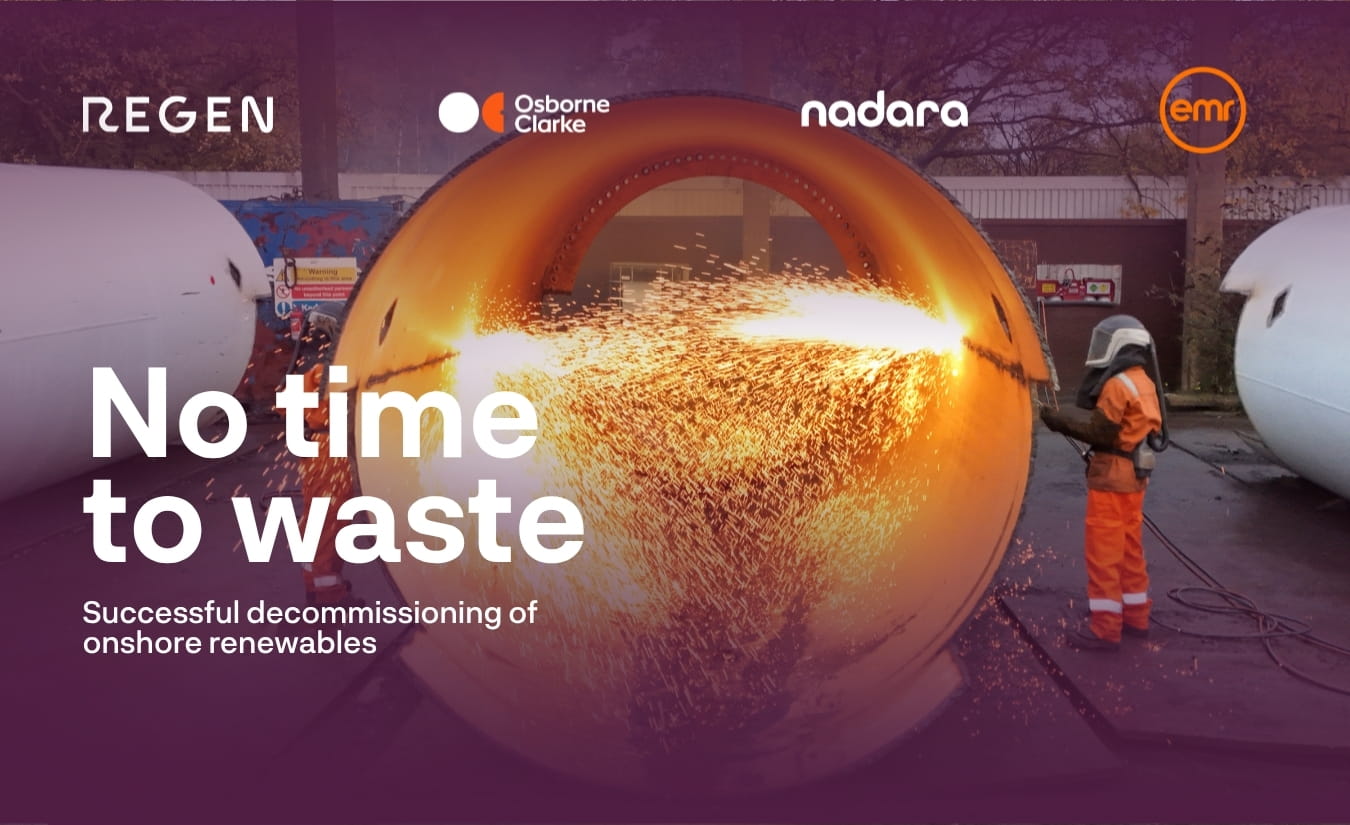
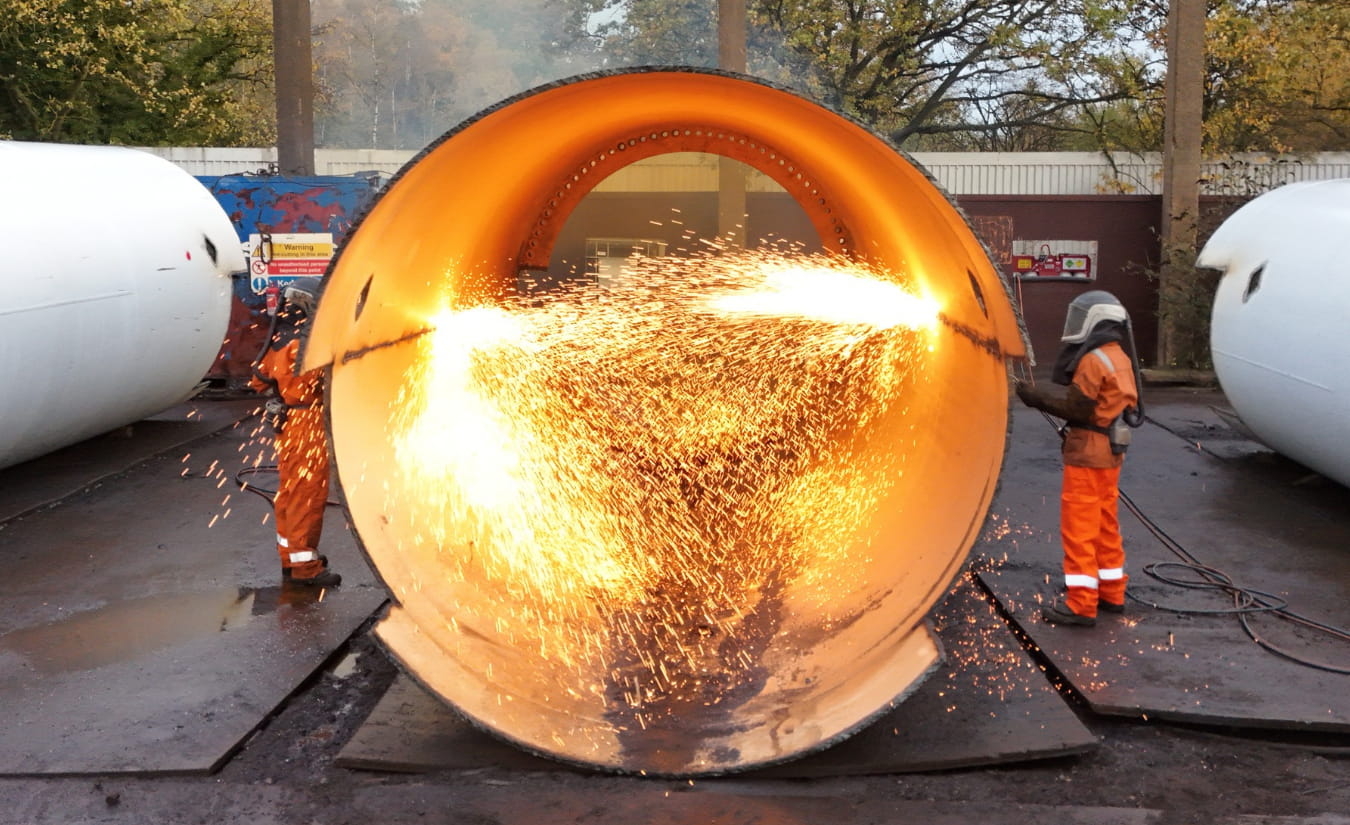
By 2050, the UK's onshore wind decommissioning pipeline alone could generate around 10.6 million tonnes of recoverable materials, including steel, copper, aluminium and concrete. But capturing this value will require investment in supply chains, clearer planning requirements and better coordination between asset owners, industry and government. Poorly managed decommissioning also risks undermining public confidence in renewable energy.

Table Contents

At a glance

Key recommendations

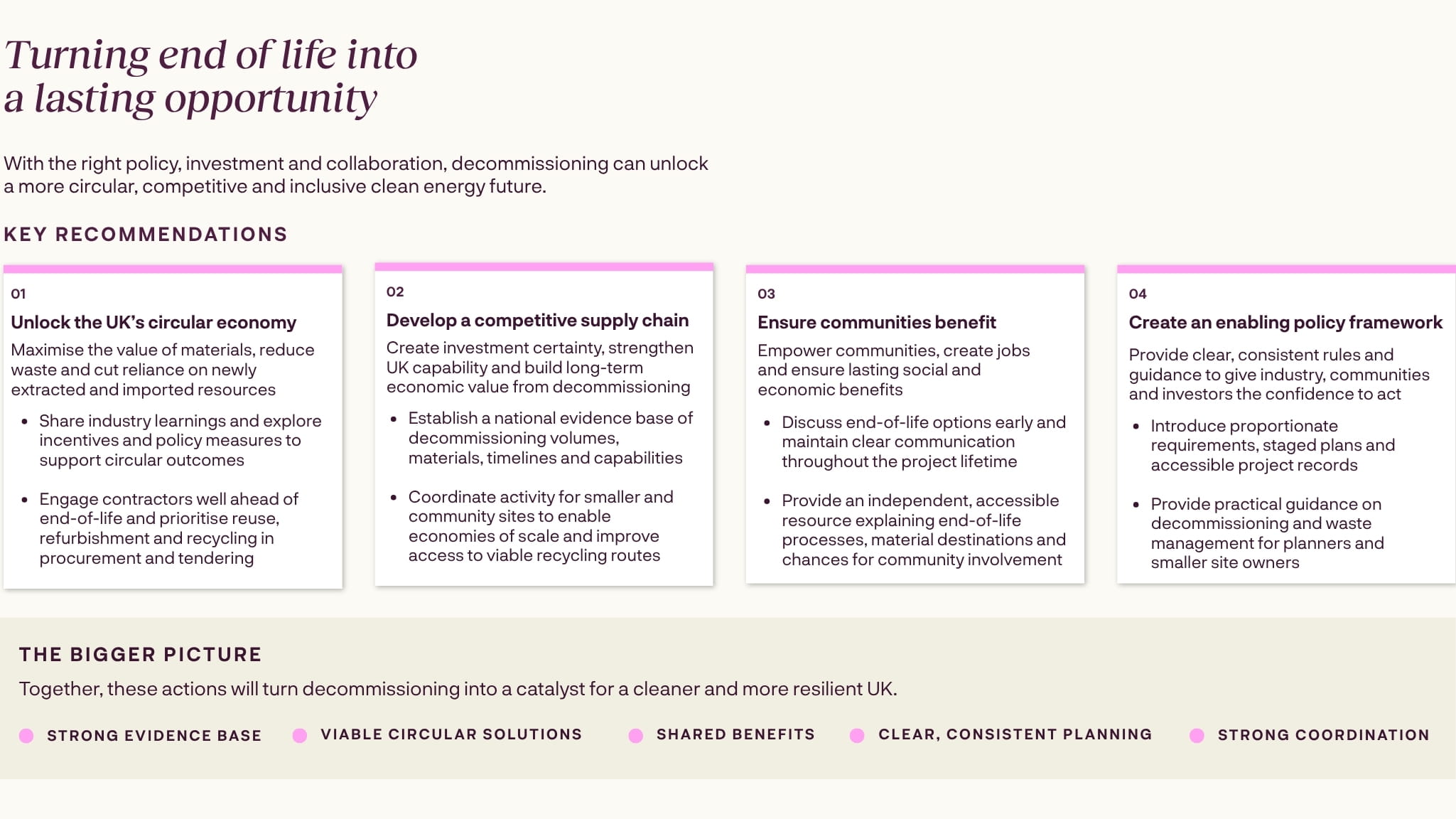
  • Asset owners need to plan early as this keeps options for reuse, refurbishment and recycling open and gives time to assess equipment, engage suppliers and plan logistics before generation ceases
  • The supply chain needs enough visibility of future volumes to invest in dismantling, logistics, processing and end markets
  • Planning conditions, legal agreements and financial security need to be consistent so that landowners, communities and local authorities know who is responsible and what restoration will deliver

The absence of these is already creating uncertainty and well-managed decommissioning will be central to public confidence as existing sites are repowered and new projects proposed.

Whether renewable energy sites are retired or repowered, decommissioning is unavoidable. The decisions made now will determine whether it becomes a costly waste-management challenge or an opportunity to build a more circular, resource-efficient and resilient energy system.

Nadara is proud to co-sponsor this important report. As the first generation of renewable energy projects across the UK reach the end of their operational life, decommissioning plays an increasingly important role in the energy transition. Nadara, as the owner and operator of one of the UK’s oldest fleets of onshore renewables, is at the forefront of this new wave of decommissioning.
– Nadara
Osborne Clarke is delighted to be working again with Regen and its co-sponsors Nadara and EMR following its successful collaboration with Regen and Nadara on A Second Wind. Osborne Clarke's international energy team has been involved in the development of over 10 GW of renewable energy projects over the last 20 years, with many of the earliest of those projects now nearing end of life. As legal advisers to developers, operators and investors of renewable energy generation, transmission, and distribution, we are increasingly finding that clients have questions regarding the decommissioning process.
– Osborne Clarke
EMR is proud to sponsor this important paper. A global leader in circular materials, we have spent decades transforming end-of-life materials into valuable resources that can be returned to productive use. As the renewable energy sector matures, the industry faces a significant opportunity and responsibility to ensure that wind turbines, infrastructure and associated materials are managed in a way that maximises resource value, minimises waste and supports the UK's wider net zero ambitions.
– EMR

‍

‍

Thanks for submitting the form.