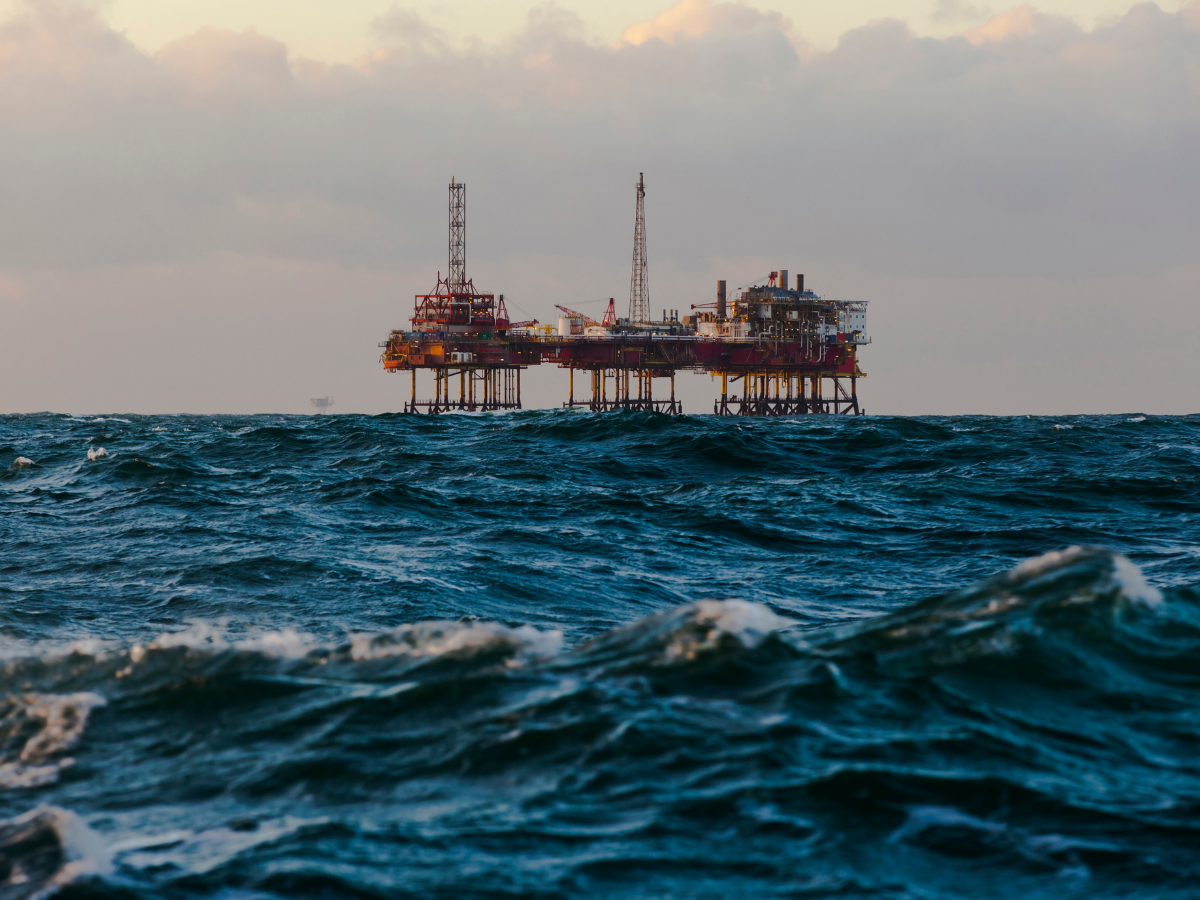
A few months ago, I posted a paper examining the trade-offs and arguments for and against approving new gas production in the North Sea. The paper was, I hope, balanced and reached much the same conclusion as the Secretary of State for Energy, Miatta Fahnbulleh…
Based on the positive impact on jobs, lower carbon emissions than imported LNG, and a marginal, if short-term, contribution to energy security, the government has a reasonable case to go ahead with the Jackdaw gas field and accept some loss of the UK’s global climate-action leadership. A risk that could be mitigated if the UK were clearly committed to the rapid electrification of its energy demand in power, transport and heat.
But we need to be clear, as I think the Secretary of State has been, that a short-term increase in gas production from Jackdaw does not change the fundamental picture of North Sea production decline and the need for the UK to reduce gas demand rapidly.
The case for Rosebank, to increase oil production in the North Sea, is weaker. Yes, there are jobs to be protected and economic gains from increased production, but given that our crude oil is predominantly exported and only a small amount of Rosebank production will ever reach a UK refinery, the energy security arguments are far weaker. Rosebank production would instead add a marginal amount to the global oil supply, further deepening the fossil fuel dependency that we must collectively end.
Does this matter?
Prime Minister Burnham has appealed to a “common sense” argument that it is better to produce at home than to import. That sounds plausible, but if the Rosebank decision is based solely on the UK’s economic gain, then we can hardly blame other countries for applying the same common-sense argument to maintain and increase their own oil production. If adopted globally, a “my-economy-first” mentality would lead to the exploitation of global oil resources that we know must be left in the ground, chipping away at another foundation stone of the climate action coalition.
Ultimately, this is a political, not an economic, decision. We won’t tackle climate change without leadership from developed nations like the UK, and so, on balance, rejecting Rosebank is the right outcome. It is a case of putting principle, and the need to maintain international solidarity, ahead of short-term economic gain.
Some people may argue that the focus on oil and gas production is the wrong approach. Ultimately, we will only combat climate change by reducing fossil fuel demand. So tackle production with a carbon tax, leave it at that, and get on with electrification as the main priority.
Electricity is a far more efficient energy source and a demand shift toward better things; electric vehicles, heat pumps and the electrification of industry will create a pathway to energy that is lower-cost and lower-carbon to stave off the worst impacts of climate change.
So, it’s a fair point to make, but again, it’s about leadership. If the UK were really cracking on with its EV rollout and heat pump deployment, and showing leadership in reducing fossil demand, then maybe the politics would allow some leeway to approve Rosebank.
However, given the slow progress we have made on the demand side, not helped by the budget decision to make an, albeit modest, cut in support for the Warm Homes Plan and threats to dial down EV targets, the government is at risk of downgrading its climate action credentials, losing goodwill both at home and abroad. In this context, a decision for Rosebank will be seen as another step in the wrong direction.