As well as achieving a clean, secure and affordable energy system, the UK government has big goals for providing housing, restoring nature, increasing resilience to climate change and maintaining food production – all of which require land. How we use land is an emotive and political topic, easily escalated by misinformation and a lack of clarity.
At the end of March, Defra published its Land Use Framework (LUF) for England, with the aim of using our limited land to achieve these goals in a more effective and joined-up way. The framework sets out:
- A vision for land use in 2030 and 2050
- Four principles for making decisions on how we use our land
- Actions to support land use change, including new tools and more accessible data.
This subject is particularly relevant for the energy sector, given that the National Energy System Operator (NESO) is currently developing a strategic spatial energy plan (SSEP) for where new energy infrastructure should be developed in GB out to 2050. The LUF has a less targeted remit than the SSEP, but both are considering how we can optimise land use at a national scale.
Implementing a national strategy for land
The LUF will not be part of formal planning policy, nor a material consideration in plan making or decision making. However, Defra states that it will still inform these processes at regional and local levels. While this is consistent with the framework’s messaging that it will inform rather than impose decisions on land use, some are questioning how effective it will be without having weight in the planning system.
We don't know yet what status the SSEP will have in planning. It's already referenced in the overarching national policy statement for energy and, once published and endorsed by all relevant governments, will be considered by the Secretary of State when determining nationally significant energy projects. Locational signals within the SSEP could also be implemented through a range of levers beyond planning. These could include connections reform, network charging, reformed national pricing, Contracts for Difference and other revenue support schemes.
Despite its limited integration with local-level planning, the LUF will play more of a role in influencing national policy and plan making. It also builds on the Spatial Development Strategies introduced through the Planning and Infrastructure Act 2025. Although these appear primarily focused on housing, the framework suggests they could be used to address energy and even implement the SSEP.
In the framework, Defra has committed to aggregating data from local strategies and plans, including Spatial Development Strategies and Local Nature Recovery Strategies, to show how local and regional places are contributing to delivering national objectives. This process echoes the approach NESO will be taking to align Regional Energy Strategic Plans and the SSEP: collecting bottom-up data with input from local stakeholders, comparing the results to national and zonal targets and adjusting as needed for alignment.
Applying the land use principles to the SSEP
The LUF establishes four principles for making decisions on land use:
- Multifunctionality
- Right use, right place
- Future-ready decisions
- Adaptive by design.
The framework states that these principles will inform spatial planning at the national government level. Although the SSEP methodology was published before the LUF, we’ve reflected on how and whether it aligns with these principles.
‘Right use, right place’ could be said to underpin the SSEP process, which is all about optimising the locations and types of energy infrastructure.
The ‘future-ready decisions’ principle is partially reflected in the data underlying the SSEP, which include the impacts of climate change on flood risks, water availability and land stability. However, other climate risks, such as extreme heat, are not mentioned in the methodology.
‘Adaptive by design’ could be seen in NESO’s commitment to update the SSEP every three years, although the scope of this process remains unclear.
The role of ‘multifunctionality’ in the SSEP is more ambiguous. The SSEP is focused on producing targets for 19 zones across GB rather than considering land use at a project level, with the methodology stating that zonal locations will not take precedence over other land uses and project-specific decisions will be made during subsequent processes.
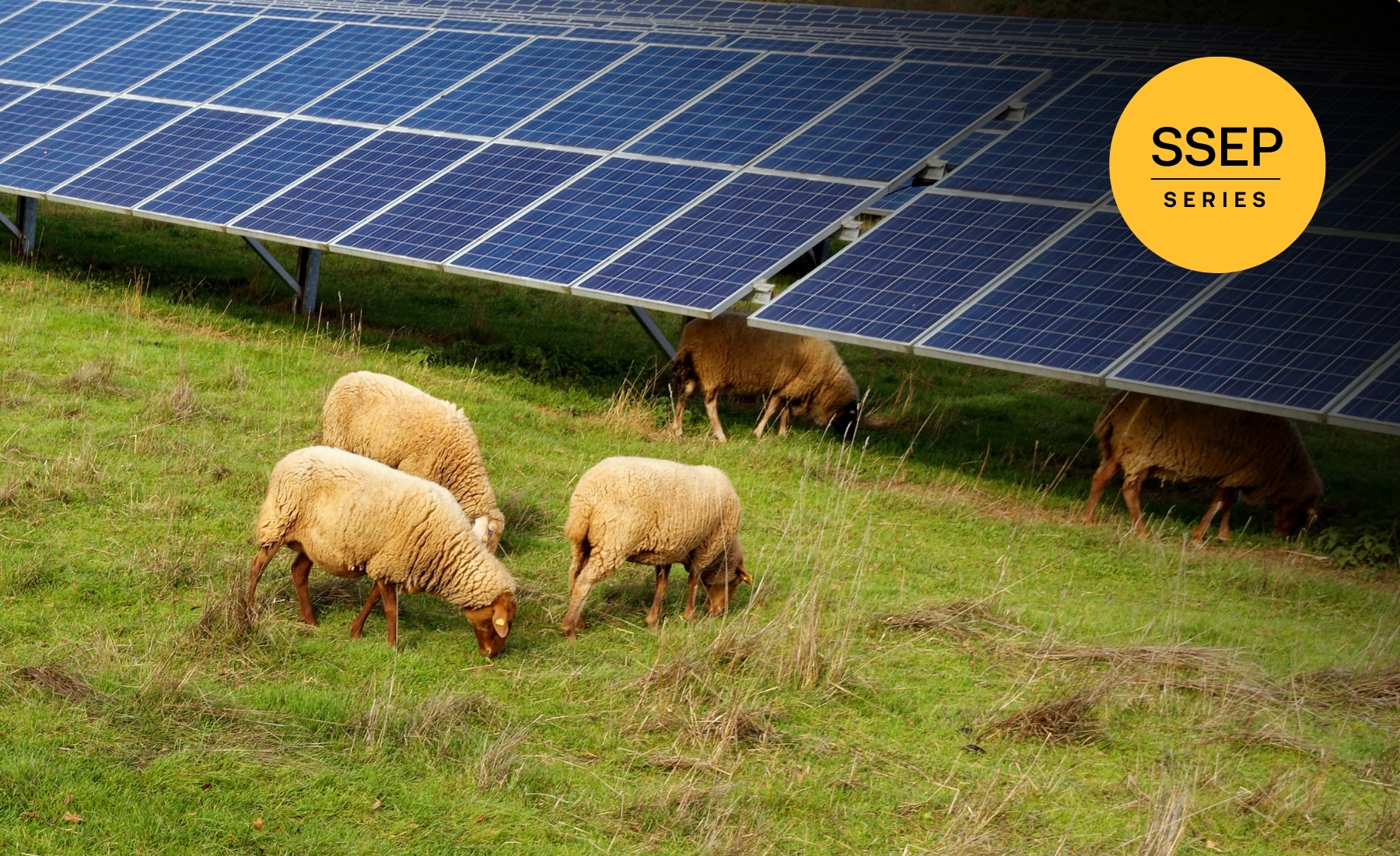
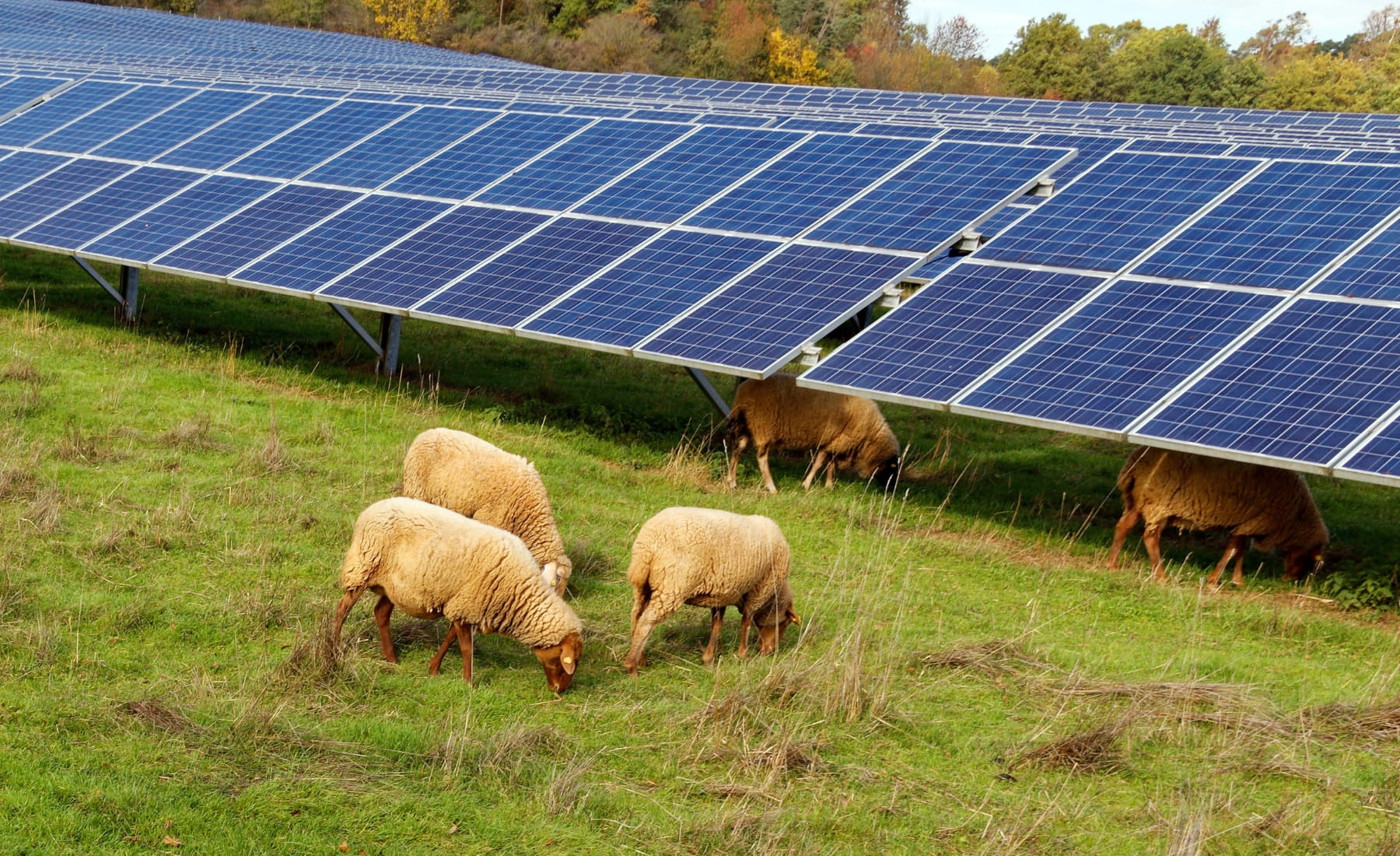
Already, many renewable energy projects operate alongside other land uses, including grazing of livestock beneath solar panels, farming or forestry around wind turbines, improving or creating recreational routes across sites or delivering onsite biodiversity net gain or peatland restoration. Beyond these activities, the framework suggested new opportunities to re-wet peat soils beneath solar panels and drive investment in rural areas through new network infrastructure and data centres (potentially linked to the deployment of high-efficiency glasshouse horticulture).
In future iterations of the SSEP, there could be the opportunity to further implement the LUF principles of right use, right place and multifunctionality’ helping align zonal targets for energy with wider government priorities for land.
Remaining questions
The framework openly acknowledges the uncertainty around the role of biomass in achieving our climate mitigation pathways. Defra will update the framework every five years and in future iterations may draw on the SSEP’s zonal figures to better understand the role of biomass in the energy system and its implications for land use.
How far the LUF and SSEP actually drive land use change and energy infrastructure development will depend on how they are implemented – through policies, incentives and data. There is still over a year to go until the publication of the SSEP (expected autumn 2027), and in that time progress made or missed on the LUF could provide valuable lessons for NESO and the UK government.
Regen will continue engaging with NESO on the development of the SSEP. To discuss this further, members can join our next planning working group or get in touch with me at hhoban@regen.co.uk.