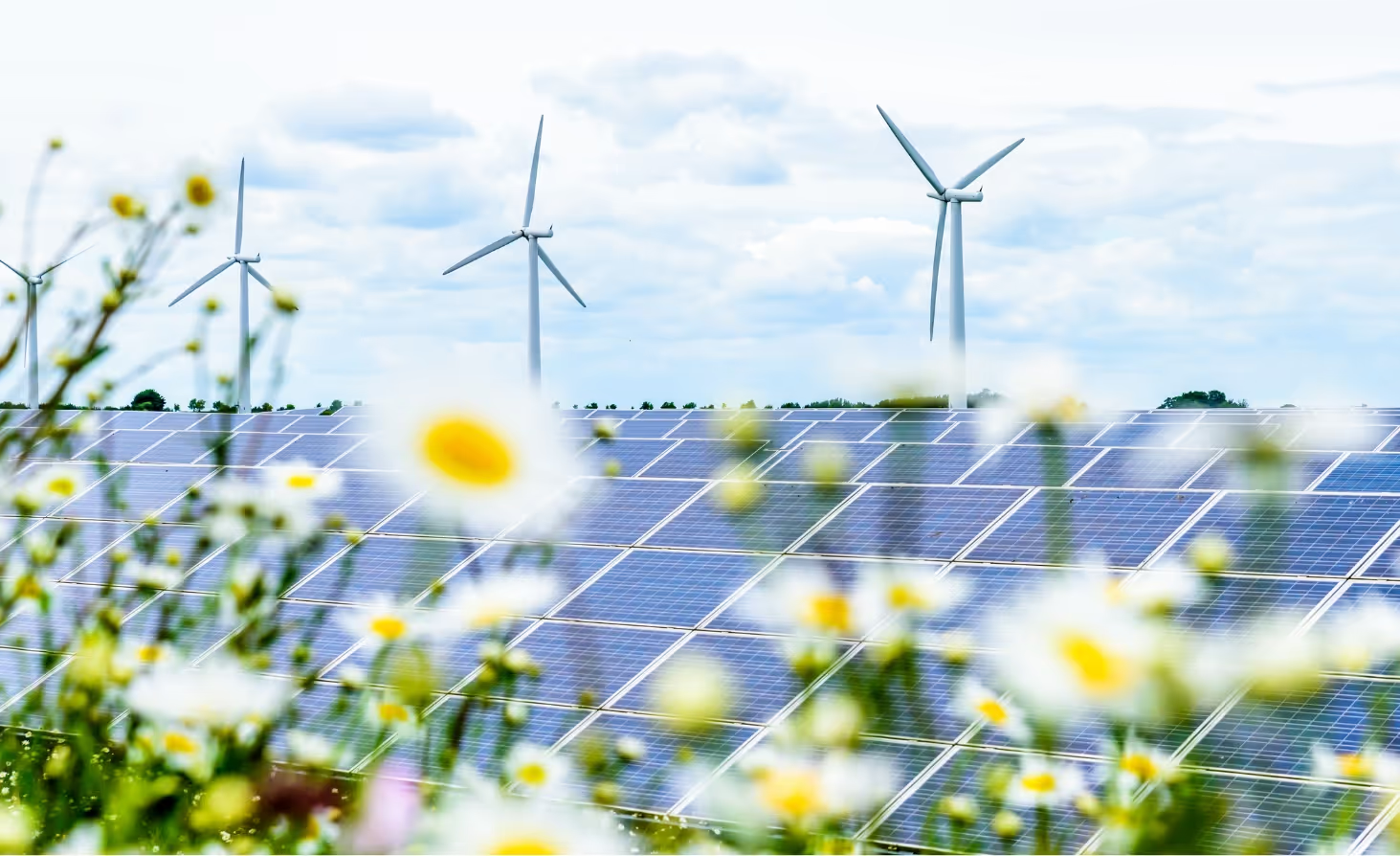
The biodiversity and climate crises are closely linked, and a more joined-up approach to delivering nature restoration and clean energy could improve outcomes for both.
Although decarbonising the energy system is crucial for protecting all nature from climate change, the impacts of clean energy infrastructure on local ecosystems still need to be considered. Nature and energy goals can be synergistic rather than competitive, and skills are needed in local authorities to assess opportunities for co-benefits from renewable energy projects, especially in the planning system.
Solutions already exist for benefiting nature through renewable energy infrastructure, but wider awareness and uptake are needed.
Solar farms can support much higher levels of biodiversity than surrounding agricultural land if effective habitat management plans are put in place. The overlap between wind resource and peat soils has generated concerns that onshore wind farms will damage these valuable habitats and carbon stores, but new projects are minimising disturbance and working with local partners to deliver peatland restoration. And other energy infrastructure, such as networks and battery storage sites, can enhance nature through biodiversity net gain, as well as by implementing innovative nature-based solutions.
National policies and strategic energy plans are beginning to promote an approach to the energy transition which integrates nature, but how effective this will be depends on delivery at the local level. By understanding how changing policies and emerging guidance can support multifunctional projects, local authorities can promote clean energy infrastructure which benefits nature both locally and globally, as well as providing other social and economic benefits.
To speak to us about this area of our work, please contact Holly Hoban.