


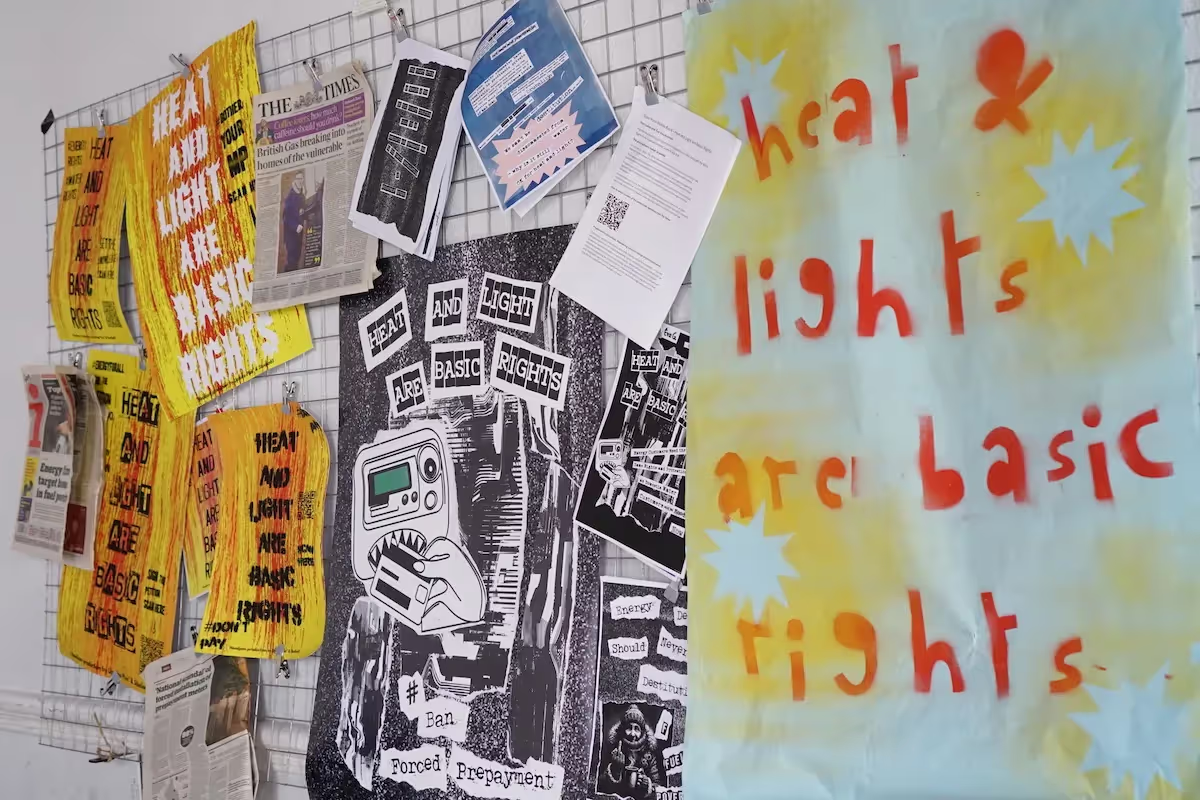


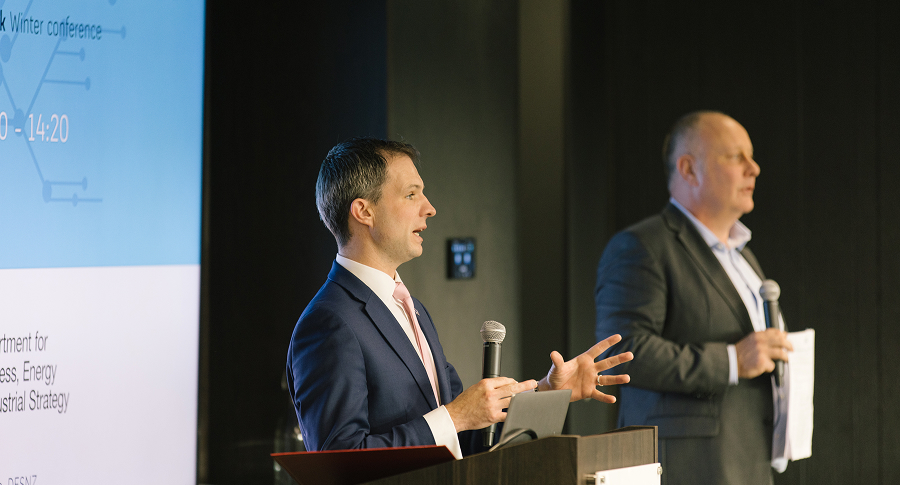
In September 2024, Repowering London brought to life their most ambitious public engagement to date: the Creative Energy Exhibition. Held at St Vincent’s Centre in Brixton, it was the culmination of several years of smaller community art workshops known as the Creative Energy Clubs, and aimed to showcase the creative potential of community energy while inviting public conversation in new ways.
Regen joined as a partner in this collaboration, contributing art, ideas, and support to help craft a “third space” where energy, ecology, community, and creativity could converge.
From Creative Energy Clubs to Exhibition
For years before the exhibition, Repowering ran Creative Energy Clubs in locations across London, including North Kensington and Aldgate. These workshops engaged participants in clay-making of energy systems, solar-powered lanterns, cyanotypes, and other playful, hands-on art forms tied to energy themes.
To scale up from club to exhibition, Repowering sought a partner experienced in participatory arts and event design. They engaged the social arts collective Studio61, whose studio ethos (“design for collisions”) matched Repowering’s ambition to create an exhibition that was not just a display, but an encounter.
Together, they shaped the exhibition around ideas from the Energy Humanities — exploring how energy shapes culture, imagination, and society — and treated the venue as a public dwelling rather than a gallery. The physical layout invited movement, transformation, and visitor contributions.
Regen’s Role
Regen contributed to the development of artworks, conceptual support, and dialogue. Drawing on our experience with art-and-energy residencies, we acted as a collaborator and amplifier for the exhibition’s aims. Our internal artists, through the Art Lab collaborations, were represented in the exhibition, helping to anchor the show’s narrative and inspire new audiences.
1. Design for surprise, not perfection.
Allowing parts of the exhibition to be mutable and to invite visitor contribution created richer engagement than a fixed show might have.
2. Start small, scale thoughtfully.
The transition from workshops to a public exhibition was challenging — but the long lead-in through the Clubs meant participants already had ownership, skills, and investment.
3. Co-design is essential.
The exhibition was strongest where artists, technical staff, community members, and the Repowering team co-created. Power and creativity unfolded together.
4. Infrastructure + imagination.
The “hardware” of community energy — panels, grids, finance — is vital, but so is the “software” of stories, symbols, and shared experience. Exhibitions like this nurture that software.
5. Space matters.
Calling the gallery a “public dwelling” signalled intention: this was a place to linger, converse, and contribute. The architectural and spatial choices helped communicate respect, welcome, and invitation.
6. Partnerships widen reach.
Regen’s involvement brought visibility, confidence, and deeper artistic capacity. For Repowering, collaborating with creatives and arts organisations helped open doors to new audiences and funders.



