This insight is more than 2 years old
Clean power
Just transition

Delivering biodiversity net gain through nationally significant clean energy projects

Date
July 25, 2025

Table Contents

At a glance

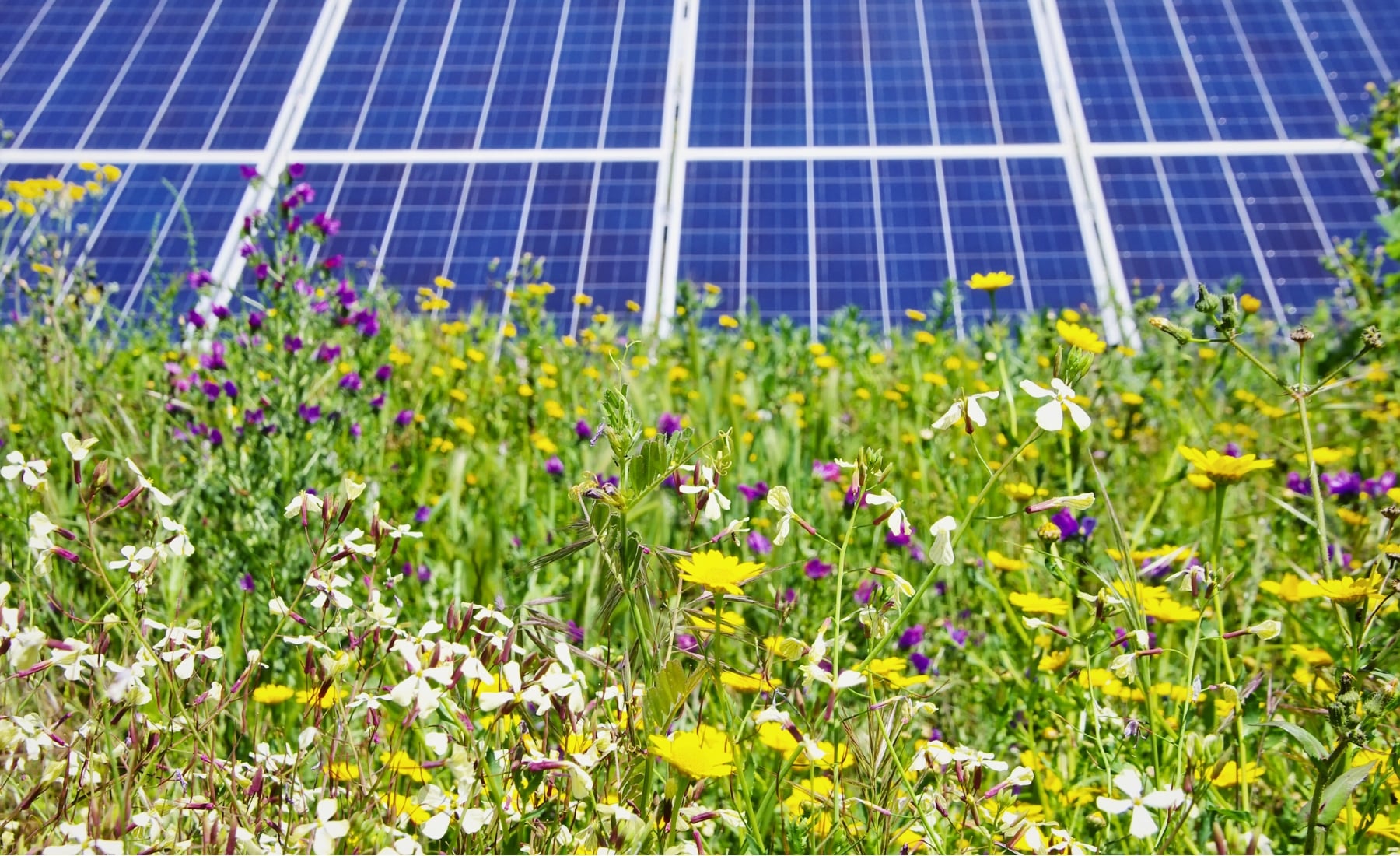
Regen supports the introduction of Biodiversity Net Gain (BNG) for Nationally Significant Infrastructure Projects (NSIPs), especially clean energy developments. Clean energy infrastructure can be designed to benefit nature locally, as well as globally by mitigating climate change, and many renewables sites are already making significant biodiversity improvements.

By incorporating habitat creation or restoration into sites, renewable projects can help meet local targets for nature restoration as well as national targets for clean power, delivering multifunctional land use in line with principles set out in the government’s recent land use consultation.

With large solar and onshore wind farms and electricity network infrastructure classified as NSIPs, extending BNG presents an opportunity to deliver these local environmental benefits at a large scale.

Our response has been shaped by engagement with our members and the wider renewable energy sector.

Key recommendations

  • There is a need to consider whether projects with large boundaries and small physical footprints should include the entire site in the pre-development biodiversity value, especially when an alternative land use will be ongoing at the site during its operation
  • The policy should promote an ‘onsite first’ approach to delivering BNG where possible without resorting to increasing site size through compulsory acquisition
  • A clear definition of temporary land use for construction is required. Such uses, including to connect clean energy infrastructure to the electricity network, should be excluded from the BNG metric.
  • To address existing barriers to monitoring and enforcing BNG, local authorities require additional training and capacity. Skill and resource gaps must be addressed if implementation of BNG is to be effective, for both NSIPs and Town and Country Planning Act (TCPA) projects.
  • Changes to significant onsite enhancements and offsite gains in BNG plans should be avoided once consent has been provided, to reduce pressure on local planning authorities and promote early consideration of biodiversity in project design
  • For onshore wind farms where existing agriculture, forestry or similar activities will be maintained between turbines, this land should be excluded from the pre-development biodiversity value of the site
  • Cable routes connecting renewable energy generation sites to the electricity network should remain under a voluntary BNG regime to avoid issues of ongoing access.

The biodiversity and climate crises are closely linked, and the energy transition has an important role to play in addressing both. Looking forwards to the development of strategic energy plans, local nature recovery strategies and the land use framework, Regen will continue to support clean energy projects which contribute to each, delivering benefits for the energy system, ecosystems and communities.

For more information on this topic see Regen's recent guide to integrating clean energy with nature restoration or join our next planning working group on October 1.

STAY INFORMED

The Dispatch

Sign up to receive our monthly newsletter containing industry insights, our latest research and upcoming events.

Submission successful
Thank you for signing up to The Dispatch.
There was an error submitting the form. Please check the highlighted fields in red.