A Strategic Spatial Energy Plan (SSEP) is currently being developed for the future of the UK energy system. This could have a significant impact on which electricity generation, storage and grid projects get built, and where. This insight piece looks at the aims of the plan, the timeline and key developments.
What is the Strategic Spatial Energy Plan?
The SSEP will set out a picture of what the UK energy system will look like from 2030 to 2050. This includes the different types of electricity generation and storage technologies that will be developed across the country (including offshore), and how these can be optimised to reach net zero, reduce costs, work with network infrastructure and take into account wider environmental and social considerations.
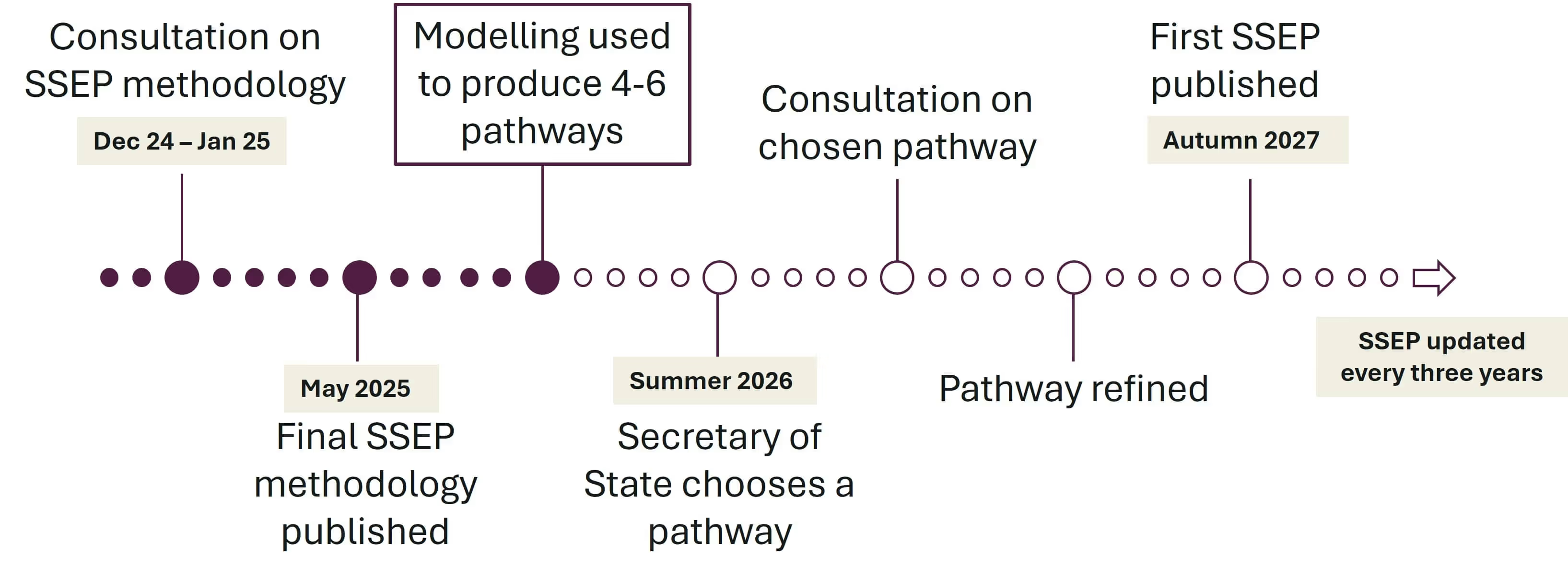
The National Energy System Operator (NESO) is currently modelling a range of pathways the SSEP could take to achieve a net zero outcome by 2050. It has been commissioned by the UK and devolved governments to do this to help reach a clean, affordable and secure energy system more quickly and effectively. In summer 2026, NESO will present 4-6 potential pathways to the Secretary of State for Energy Security and Net Zero, who will then choose one pathway to become the first SSEP. The SSEP will then be updated every three years.
Timeline for the Strategic Spatial Energy Plan
Once the SSEP is implemented, it will affect:
The planning system
Grid connections
Financial support mechanisms, such as Contracts for Difference
Transmission Network Use of Service (TNUoS) charges
All these factors influence the investment case for projects and, depending on how much the SSEP affects them, could send strong signals to developers to build projects aligned with the SSEP. The degree of impact the SSEP will have is currently uncertain, with ongoing debate over how prescriptive or flexible it will be.
What has been done so far?
To date, NESO has consulted on and published the SSEP methodology and begun modelling different ‘pathways’ that the energy transition could follow to achieve a net zero outcome by 2050.
Alongside this process, NESO has been engaging with industry stakeholders, including Regen. In response to concerns raised by industry regarding the transparency of the data and assumptions being used in the modelling process, it published a data transparency update in November this year. This included lists of the data sources being used, links to access that data where it is already public, and information on whether other datasets would be made public.
To further improve the quality and transparency of data being used, NESO announced at the end of November that the SSEP will be delayed by several months to allow the modelling process to be re-run using newly published data from DESNZ.
What will happen next?
Over the coming months, NESO will be re-running the SSEP modelling to incorporate the new data from DESNZ. It will develop 4-6 different pathways and present these to the Secretary of State for Energy Security and Net Zero in summer 2026.
Once the Secretary of State has chosen a pathway, it will be consulted on and refined before being published in autumn 2027 as the first SSEP. It will then feed into the CSNP and RESPs, both of which are now planned to be published by the end of 2028.
The SSEP will then be updated every three years, with the second iteration taking the regional modelling delivered for RESPs into consideration. Although the pathway chosen by the Secretary of State in summer 2026 will set the direction of the energy transition, it may be adjusted in future iterations of the SSEP.
Stay in the loop
The impact of the SSEP on connection reform, reformed national pricing and planning will be significant for the whole energy sector. Just this week, the impact of the current national Clean Power 2030 plan was made clear as NESO switched from issuing grid connections on a first-come-first-served basis towards a more planned approach, aligned with national energy goals and project readiness.
Regen will continue to engage with NESO on the development of the SSEP. Our planning conference in January will feature a discussion with Alice Etheridge, head of strategic spatial planning at NESO, on how the SSEP will transform the energy system.
For regular updates, Regen members can join our planning working group.