Clean power
Just transition

Putting communities at the heart of strategic energy planning – lessons from Australia and New Zealand

Date
October 2, 2026

The move to strategic spatial energy planning gives the UK an opportunity to change not just where infrastructure is built, but how communities are involved in deciding what happens. Drawing on more than 50 interviews across Australia and New Zealand as part of her Churchill Fellowship earlier this year, Rebecca Windemer has identified practical lessons for the UK as it develops and implements its first Strategic Spatial Energy Plan.

Her recommendations cover the implementation of the SSEP and subsequent strategic plans, as well as the institutions, planning processes, local capacity and delivery arrangements needed to support them. Together, they aim to ensure that communities can meaningfully influence strategic decisions, that the cumulative impacts of infrastructure are anticipated and managed, and that the places and people hosting clean energy infrastructure have opportunities to share in its benefits.

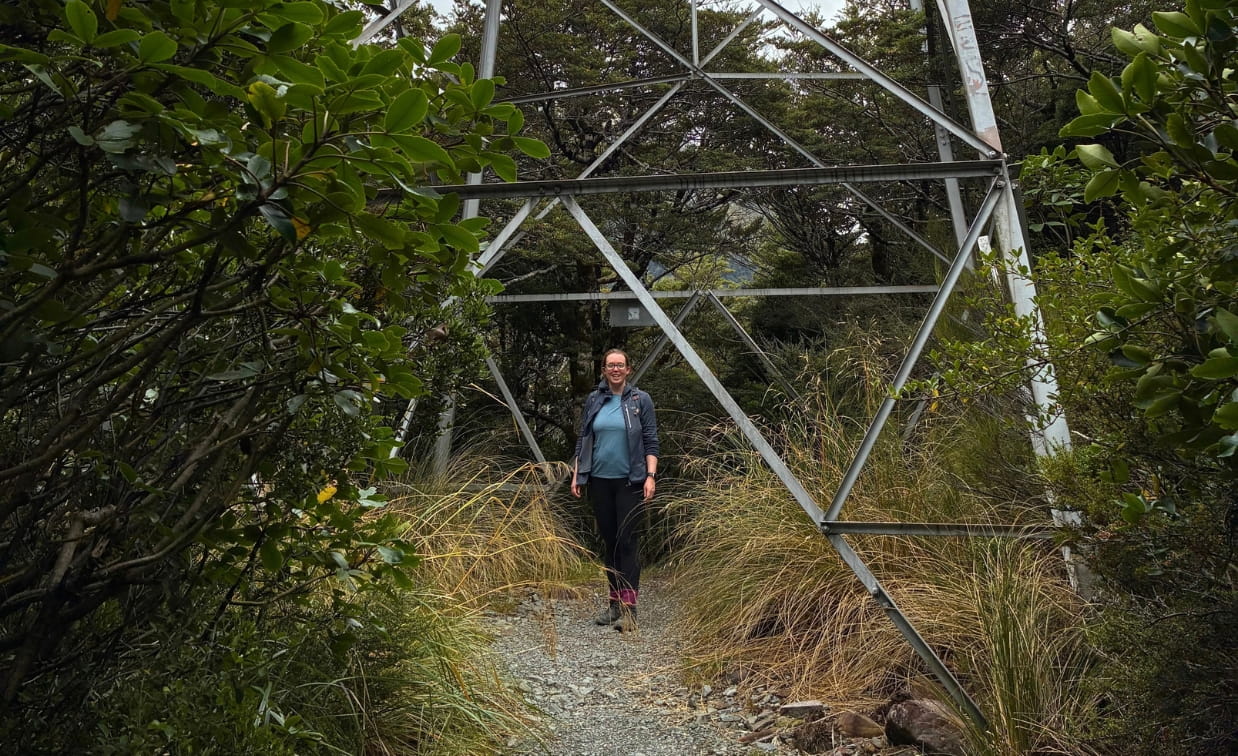
Rebecca Windemer on her trip to New Zealand. Her research paper argues that strategic energy planning needs to prioritise communities alongside infrastructure.

Table Contents

At a glance

Key recommendations

  • Plan for communities as well as infrastructure. Ensure the UK Strategic Spatial Energy Plan considers and coordinates the cumulative impacts of multiple developments on host communities.
  • Invest in local engagement capacity. Establish dedicated local capacity in areas expecting significant energy infrastructure development to support ongoing engagement and access to information.
  • Develop a more strategic approach to community benefits. Coordinate benefits across projects and support longer-term local priorities, alongside localised grant opportunities.
  • Establish a UK Energy Infrastructure Commissioner. Create an independent, trusted point of contact for communities, providing a source of independent information and oversight.
  • Invest in upskilling local communities. To help local communities be able to meaningfully participate in the planning process.
  • Plan early for local economic participation. Involve local businesses early, provide sufficient lead times and support local supply chains to access opportunities.
  • Connect regional energy planning with regional planning. Link regional energy planning more clearly with regional planning through Spatial Development Strategies.
  • Make certainty, rather than speed alone, the objective of accelerated consenting. Combine clear processes and timescales with meaningful, early community engagement.
  • Give communities a meaningful role in shaping future strategic energy plans. Involve communities and other stakeholders before scenarios and options are established, with a transparent link between engagement and decisions.
  • Give communities greater visibility of the future development pipeline. Help them understand the scale and likely timing of change in their local area.

‍

Putting communities at the heart of strategic energy planning: Lessons from Australia and New Zealand argues that strategic energy planning needs to prioritise communities alongside infrastructure.

The report puts the case for reframing community engagement from something done to secure acceptance of infrastructure to an integral part of the strategic planning architecture. It presents the SSEP, along with the RESP and CSNP, as an opportunity to acknowledge and mitigate cumulative impacts and consider community priorities at the same level at which infrastructure need and location are being decided. Currently there is a risk that this responsibility is left to communities and individual projects, leading to consultation fatigue and an unfair burden on local people.

The report’s central argument is that the move to strategic spatial energy planning gives the UK an opportunity to change not just where infrastructure is built, but how communities are involved in deciding what happens.

A different approach to strategic energy planning

The UK’s new strategic energy planning framework is an opportunity to do more than identify where infrastructure should go. It can create a clearer relationship between national energy needs and the places expected to accommodate the infrastructure required to meet them.

The experience of Australia and New Zealand shows that this requires communities to be considered from the outset: understanding cumulative impacts, building local capacity, creating opportunities for local economic participation and benefits, and involving people while strategic choices can still be influenced.

The success of strategic energy planning should therefore be judged not only by the quality of the plans produced, but by how effectively they shape subsequent decisions and deliver positive outcomes for the communities affected.

Regen's focus on the SSEP

Regen has long advocated for a strategically planned energy system and sits on the SSEP expert advisory panel, where our role is to provide technical insight, advice and challenge on the process, and raise the views of industry.

We are actively involved in discussions with our members ahead of the SSEP public consultation next year. Please get in touch with Rebecca if you would like to share your views.

‍

‍

‍

Thanks for submitting the form.