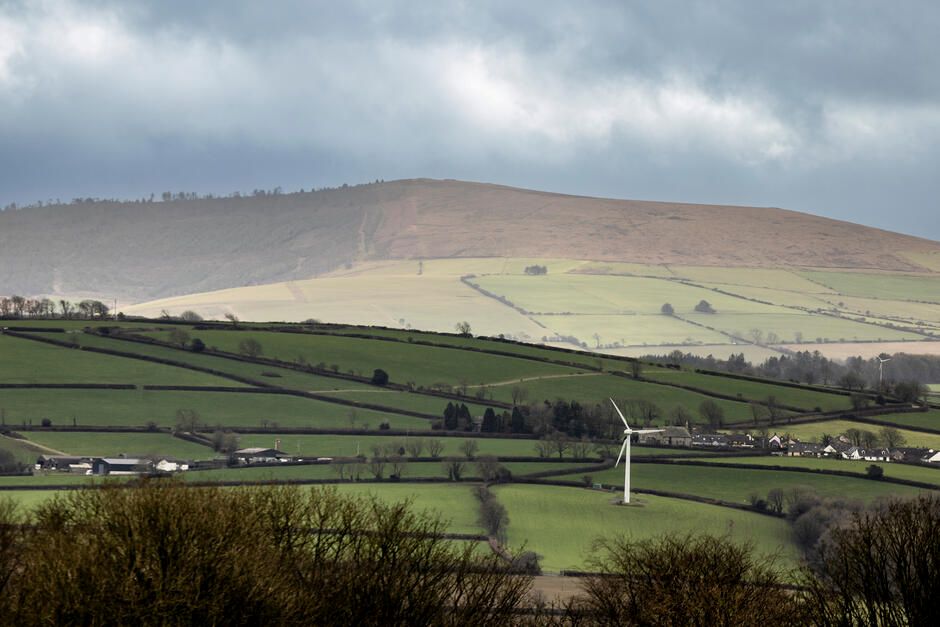
With 1,350 onshore wind turbines potentially reaching the end of their operational lives by 2035, rising to around 3,800 by 2040, and with solar and battery storage close behind, our new paper explores how the UK can prepare for this next phase of the energy transition.
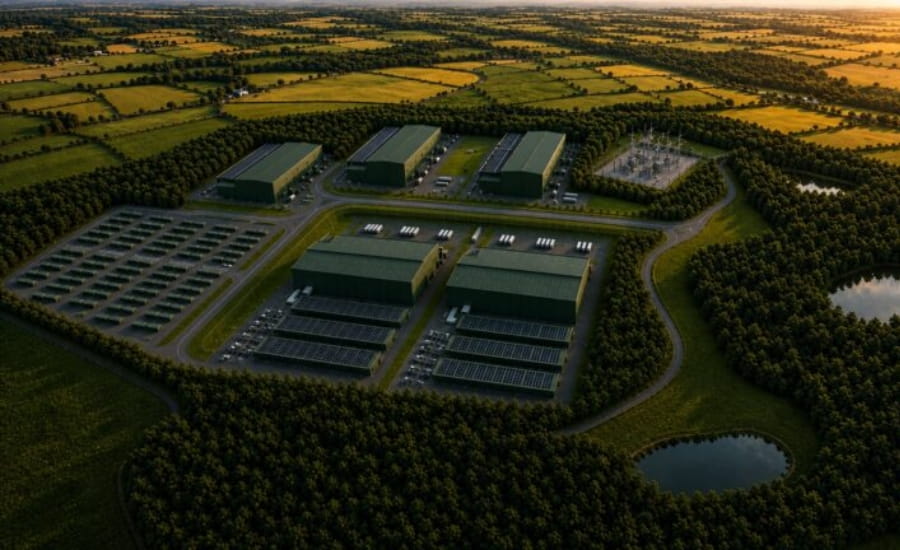
As data centre demand grows rapidly across the UK, how can we meet its huge energy needs without locking in new fossil fuel generation? Here we explore the options for powering data centres while supporting, rather than undermining, the transition to a low-carbon energy system.
Scenarios show that community renewable generation across NGED’s licence areas could scale to 1.5 GW with the right policy support.
Plug-in batteries could help millions more households access the bill-saving benefits of home energy storage. With plug-in solar now on the way, Regen argues that the government should make plug-in batteries next.
Johnny Gowdy examines plans to extend the Electricity Generator Levy and introduce a new Wholesale Contract for Difference for legacy generation assets, asking whether these measures are likely to reduce bills or provide meaningful protection for consumers in the near term.
In this first paper in a new insight series, we unpack what transmission constraints are, why they've increased and what's really driving the costs.
With more than half of GB’s current onshore wind fleet expected to face end-of-life decisions by 2035, repowering is a critical but overlooked consideration that will shape the UK’s future energy security. This paper highlights the barriers holding back onshore wind repowering and sets out urgent actions to unlock the potential of the existing fleet.
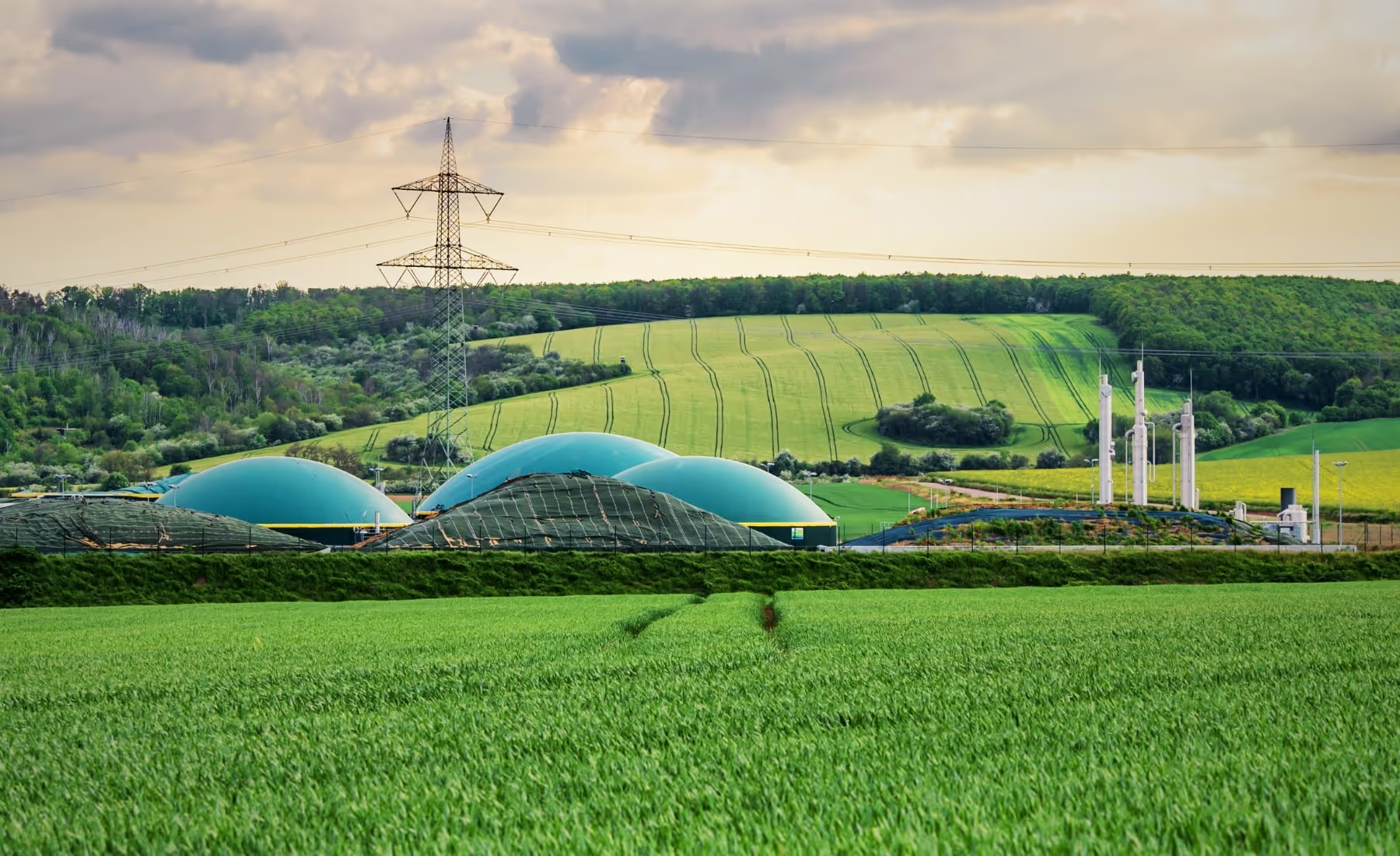
Our latest paper considers recent biomethane supply projections and assesses the likely feasibility of this ‘green gas’ replacing fossil fuels for consumer use.
Regen worked with Western Power Distribution (WPD), Wadebridge Renewable Energy Network (WREN) and Tempus Energy to trial a Sunshine Tariff in Wadebridge, Cornwall.
Tamar Bourne
The SWIMBY Songbook remains a resource for choirs and communities to perform, ensuring the project’s messages live on. It also paved the way for Regen’s continued interest in musical, performative, and participatory approaches to energy engagement.Matt reflects:“Energy projects can inspire music, laughter, and togetherness. SWIMBY was proof that climate action doesn’t have to be grim — it can be joyful.”
Chloe Uden
The Element in the Room showed that art can be more than an add-on to climate communication — it can be a catalyst for connection. By blending humour, lyricism, and celebration, Matt’s poetry helped make energy a subject people could relate to, enjoy, and even sing about. “Poetry gave people another way in — through fun, reflection, and imagination. That felt valuable.”
Celebrating the role of creativity in shaping our energy future
Energy storage is poised to grow rapidly in the UK towards 10 GW in the 2030s - but action is needed to align the technology with market and policy signals if this potential is to be realised. This paper was Regen's first publication around energy storage, released in November 2016. It summarised the state of the energy sector and proposed a set of 5/6 business models for storage.
Regen had the privilege of collaborating with artist and producer Richard Povall, Director of Art.Earth Books, on Feeding the Insatiable — an international gathering at Dartington exploring the real and imagined narratives of art, energy, and the environment for a “troubled planet.
The UK electricity system is rapidly changing. Following a radical increase in the amount of renewable generation, we are now seeing the growth of smart technology and services that can enable more flexibility in the way we generate, supply and use power. The National Infrastructure Commission has responded to these changes by calling on the UK to lead the world in a 'smart power revolution'.
Merlin Hyman OBE
A creative summit at the nexus of art, energy, and ecological imagination
In March 2016, Regen partnered with Arts University Plymouth to explore how creativity can help people connect with sustainability and energy themes. The collaboration took the form of a live brief for Foundation level students: design a poster that communicates an idea about energy, climate, or sustainability.
In March 2013 Ofgem published its 'Strategy decision for the RIIO-ED1 electricity distribution price control'. This proposed that to reduce the cost of grid reinforcement to individual developers and first movers, developers apply for grid reinforcement as a consortium, teaming up with other developers operating in the same region.
Something Wonderful in My Back Yard is a sparkling new crowd-funded musical! This songbook contains the first songs from the musical with parts for piano or guitar accompaniment. We've also included knitting patterns for Carbon Dioxide Particles, approaches to guerrilla gardening and a recipe for gullible stew.
ReLight My Fire was a four-day festival of performance, workshops, creative installations and public conversation exploring energy—its past, present, and possible futures.
When theatre company Burn the Curtain joined Regen’s Relight My Fire Festival in 2015, their challenge was to help audiences understand where our energy really comes from — and how our choices affect the communities we live in. The result was The Generation Game: a playful, participatory artwork that invited people to build, power, and manage a miniature town of their own.
Looking out to 2030, this paper sets out the longer term opportunities and ambition for the development of marine energy in South West England.
Johnny Gowdy
Energy and the Arts marked the beginning of Regen’s Art and Energy programme. From this modest printed booklet has grown a decade of collaborations: from poetry and portraiture to interactive solar artworks and international research.
The Bristol City Region is home to world-leading marine energy technology developers, excellent universities and supply chain companies at the forefront of an emerging offshore renewable energy sector.
Matt Harvey is Regen's poet in residence. As part of Matt's residence at Regen, he has written The Element in the Room - a book of poems inspired by energy, renewable energy in particular and a book of pictures inspired by poems about renewable energy.
The recently published Wave and Tidal Key Resource Area review (The Crown Estate) has again highlighted that the energy resource in the Bristol Channel is of national strategic significance to meet the future demand for low-carbon energy, and is the single largest resource area for tidal energy in the UK. The Bristol Channel is, however, a complex hydrodynamic system which supports a wide range of marine habitats, marine communities and economic interests, as well as providing a major sea transport route into the UK heartland.
The South West Marine Energy Park (MEP) was launched on 23 January 2012, marking an exciting phase in marine energy industry development in the south west of England. The South West MEP provides a focus for industry and investment to generate jobs and business opportunities for the regional economy. The designation of the South West MEP has helped to cement the UK's position as the centre of the emerging global industry.